
$10.60
On Hold
Neysastore Yulan Magnolia, Magnolia denudata, Tree 5 Seeds
5 available
Details
Shipping: Australia: $15.00 (more destinations)
Condition: Brand new
Returns: 7 days, seller pays return shipping (more)
Yulan Magnolia, Magnolia denudata, Tree Seeds
Showy Fragrant Flowers, Showy Fruits, Cold Tolerant, Bonsai
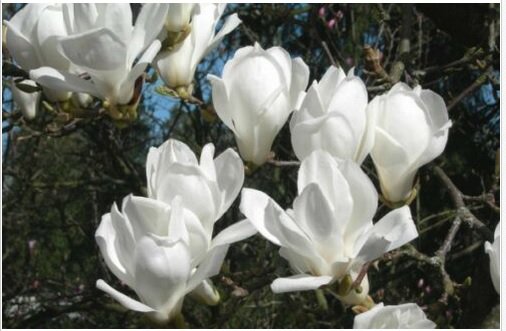
Yulan Magnolia is a small deciduous tree or large shrub that grows 30 to 40 feet tall with a rounded spreading crown. This is a native to China that has been grown in Chinese gardens for a 1000 years. The white, 4 to 6 inches, flowers are fragrant and goblet shaped with 9 thick white petals. Flowers bloom in early spring before the leaves emerge, denudata meaning barren or leafless. Flowers are followed by 5 inch cone type fruits that mature to red in late summer. Leaves are Obovate, 6 inches long, dark green above and light green underneath.
Magnolia denudata is one of the most loved of all Magnolias. Called the "Yulan" or "Jade Lily" by the Chinese, the exquisite lily shape of the blossoms with their pure white petals, has the longest history of cultivation going back to the Tang Dynasty - 618 AD. Its beauty was celebrated on ancient Chinese embroideries, scrolls and porcelains in scenes of the countryside. Its elegant flowers made it a "gift worthy of an emperor." Today old gnarled specimens can be found in Chinese temples, gardens and elsewhere in China where they are cherished and planted.
Magnolias grow happily in the Himalayas at altitudes of 5,000 to 9000 feet, where the nutrients they require from the soil are provided by the snows and heavy rains. Magnolia denudata was the first magnolia from the Orient introduced to the western world when it was brought to England in 1780 and is one of the parents of many cultivars, the most famous being Magnolia soulangiana, a cross between Magnolia denudata and Magnolia liliflora.
Leaf: 4 to 6 inches, alternate, simple leaves, dark green above and light green below.
Flower: upright, 6 to 7 inches waxy, creamy white fragrant flowers in early spring; somewhat tulip shaped.
Fruit: 5 inch brown fruits which ripen in early fall to reveal the bright red, inner seeds.
Other Names: Magnolia heptapeta
Zone: 6 to 9 (Possibly 5)
Growth Rate: Moderate to Slow
Plant Type: Small Deciduous Flowering Tree
Family: Magnoliaceae
Native Range: Eastern and Southern China
Height: 30 to 40 feet
Spread: 30 to 40 feet
Shape: Rounded
Bloom Time: March
Bloom Color: White
Sun: Full Sun to Part Shade
Fall Color: Yellow
Drought Tolerance: Low
Water: Medium
Maintenance: Medium
Site Requirements /Soil Tolerances: Moist, organically rich, well-drained loams in full sun to part shade. Generally intolerant of soil extremes (dry or wet). Plant in a location protected from winter winds.
Uses: Beautiful small specimen flowering tree for lawns.
Showy Fragrant Flowers, Showy Fruits, Cold Tolerant, Bonsai
Yulan Magnolia is a small deciduous tree or large shrub that grows 30 to 40 feet tall with a rounded spreading crown. This is a native to China that has been grown in Chinese gardens for a 1000 years. The white, 4 to 6 inches, flowers are fragrant and goblet shaped with 9 thick white petals. Flowers bloom in early spring before the leaves emerge, denudata meaning barren or leafless. Flowers are followed by 5 inch cone type fruits that mature to red in late summer. Leaves are Obovate, 6 inches long, dark green above and light green underneath.
Magnolia denudata is one of the most loved of all Magnolias. Called the "Yulan" or "Jade Lily" by the Chinese, the exquisite lily shape of the blossoms with their pure white petals, has the longest history of cultivation going back to the Tang Dynasty - 618 AD. Its beauty was celebrated on ancient Chinese embroideries, scrolls and porcelains in scenes of the countryside. Its elegant flowers made it a "gift worthy of an emperor." Today old gnarled specimens can be found in Chinese temples, gardens and elsewhere in China where they are cherished and planted.
Magnolias grow happily in the Himalayas at altitudes of 5,000 to 9000 feet, where the nutrients they require from the soil are provided by the snows and heavy rains. Magnolia denudata was the first magnolia from the Orient introduced to the western world when it was brought to England in 1780 and is one of the parents of many cultivars, the most famous being Magnolia soulangiana, a cross between Magnolia denudata and Magnolia liliflora.
Leaf: 4 to 6 inches, alternate, simple leaves, dark green above and light green below.
Flower: upright, 6 to 7 inches waxy, creamy white fragrant flowers in early spring; somewhat tulip shaped.
Fruit: 5 inch brown fruits which ripen in early fall to reveal the bright red, inner seeds.
Other Names: Magnolia heptapeta
Zone: 6 to 9 (Possibly 5)
Growth Rate: Moderate to Slow
Plant Type: Small Deciduous Flowering Tree
Family: Magnoliaceae
Native Range: Eastern and Southern China
Height: 30 to 40 feet
Spread: 30 to 40 feet
Shape: Rounded
Bloom Time: March
Bloom Color: White
Sun: Full Sun to Part Shade
Fall Color: Yellow
Drought Tolerance: Low
Water: Medium
Maintenance: Medium
Site Requirements /Soil Tolerances: Moist, organically rich, well-drained loams in full sun to part shade. Generally intolerant of soil extremes (dry or wet). Plant in a location protected from winter winds.
Uses: Beautiful small specimen flowering tree for lawns.


 ID, Jawa Timur