
$20.64
On Hold
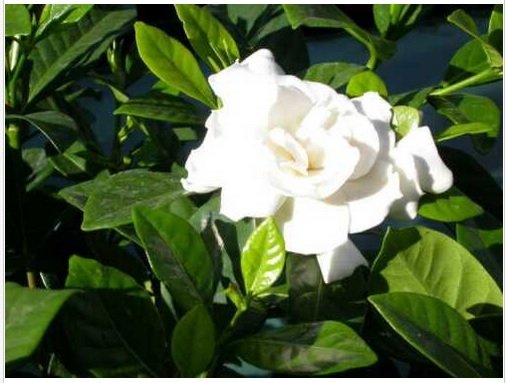
Neysastore Cape Jasmine, Gardenia jasminoides, Shrub 300 Seeds
More than 10 available
Details
Shipping: Australia: $15.00 (more destinations)
Condition: Brand new
Returns: 7 days, seller pays return shipping (more)
Fragrant Cape Jasmine Shrub, Gardenia jasminoides, Seeds
Showy Fragrant Flowers, Evergreen, Greenhouse/Container Plant, Bonsai
Gardenia jasminoides is an evergreen tropical shrub with glossy, dark green leaves 2 to 4 inches long and generally in whorls of three. The flowers are terminal or axillary, funnel shaped with 5 to 12 spreading lobes to 3 inches across, white to ivory and strongly fragrant.
Gardenia jasminoides is a favorite in gardens worldwide. It originated in Asia and is most commonly found growing in Vietnam, Southern China, Taiwan, Japan and India. With its shiny green leaves and fragrant white summer flowers, it is widely used in gardens in warm temperate and subtropical climates. It has been in cultivation in China for at least a thousand years and was introduced to English gardens in the mid 18th century.
In colder areas, Gardenias are grown as pot or larger container plants. They grow well in greenhouses and conservatories but can also thrive when placed outdoors during the summer months and returned to moderate indoor temperatures in the fall. They are prized for their large, very fragrant flowers and are quite often given as gifts to gardening enthusiasts.
Other Names: Common Gardenia, Cape Jasmine or Cape Jessamine
Zone: 8 to 11
Growth rate: Moderate
Plant Type: Broadleaf Evergreen
Family: Rubiaceae
Native Range: China, Taiwan, Japan
Height: 5 to 6 feet
Spread: 5 to 6 feet
Shape: Dense Rounded Mound
Bloom Time: Late Spring – Summer
Bloom Color: White/Ivory
Sun: Full Sun - Part Shade
Fall Color: Evergreen
Drought tolerance: Low
Water: Medium
Maintenance: High
Site Requirements /Soil Tolerances: In their native range, most Gardenias are fairly adaptable shrubs tolerant of sun or part shade and do best in a well-drained, humus-rich, acidic soil. Fall or spring is the best time for planting in warmer climates. Place in light to moderate shade, preferably with minimum competition from tree roots. Gardenias resent root disturbance. Use fertilizer for acid loving plants and use iron compounds. Add plenty of organic matter, such as compost or ground bark to as large an area as possible.
Culture: A good time to feed Gardenias is early spring, using an acid plant food, fish emulsion or blood meal. Fertilize the shrubs again in late June to encourage extra flowers or faster growth of young shrubs. Do not fertilize Gardenias in the fall. Doing so will stimulate tender growth. Prune shrubs after they have finished flowering to remove straggly branches and faded flowers. Water Gardenias regularly. Drip irrigating the shrubs will keep water off the foliage and blossoms and prevents leaf spots.
Showy Fragrant Flowers, Evergreen, Greenhouse/Container Plant, Bonsai
Gardenia jasminoides is an evergreen tropical shrub with glossy, dark green leaves 2 to 4 inches long and generally in whorls of three. The flowers are terminal or axillary, funnel shaped with 5 to 12 spreading lobes to 3 inches across, white to ivory and strongly fragrant.
Gardenia jasminoides is a favorite in gardens worldwide. It originated in Asia and is most commonly found growing in Vietnam, Southern China, Taiwan, Japan and India. With its shiny green leaves and fragrant white summer flowers, it is widely used in gardens in warm temperate and subtropical climates. It has been in cultivation in China for at least a thousand years and was introduced to English gardens in the mid 18th century.
In colder areas, Gardenias are grown as pot or larger container plants. They grow well in greenhouses and conservatories but can also thrive when placed outdoors during the summer months and returned to moderate indoor temperatures in the fall. They are prized for their large, very fragrant flowers and are quite often given as gifts to gardening enthusiasts.
Other Names: Common Gardenia, Cape Jasmine or Cape Jessamine
Zone: 8 to 11
Growth rate: Moderate
Plant Type: Broadleaf Evergreen
Family: Rubiaceae
Native Range: China, Taiwan, Japan
Height: 5 to 6 feet
Spread: 5 to 6 feet
Shape: Dense Rounded Mound
Bloom Time: Late Spring – Summer
Bloom Color: White/Ivory
Sun: Full Sun - Part Shade
Fall Color: Evergreen
Drought tolerance: Low
Water: Medium
Maintenance: High
Site Requirements /Soil Tolerances: In their native range, most Gardenias are fairly adaptable shrubs tolerant of sun or part shade and do best in a well-drained, humus-rich, acidic soil. Fall or spring is the best time for planting in warmer climates. Place in light to moderate shade, preferably with minimum competition from tree roots. Gardenias resent root disturbance. Use fertilizer for acid loving plants and use iron compounds. Add plenty of organic matter, such as compost or ground bark to as large an area as possible.
Culture: A good time to feed Gardenias is early spring, using an acid plant food, fish emulsion or blood meal. Fertilize the shrubs again in late June to encourage extra flowers or faster growth of young shrubs. Do not fertilize Gardenias in the fall. Doing so will stimulate tender growth. Prune shrubs after they have finished flowering to remove straggly branches and faded flowers. Water Gardenias regularly. Drip irrigating the shrubs will keep water off the foliage and blossoms and prevents leaf spots.


 ID, Jawa Timur